Do Octopus Cards Expire? Validity, Inactivity Fees & Reactivating an Old Card
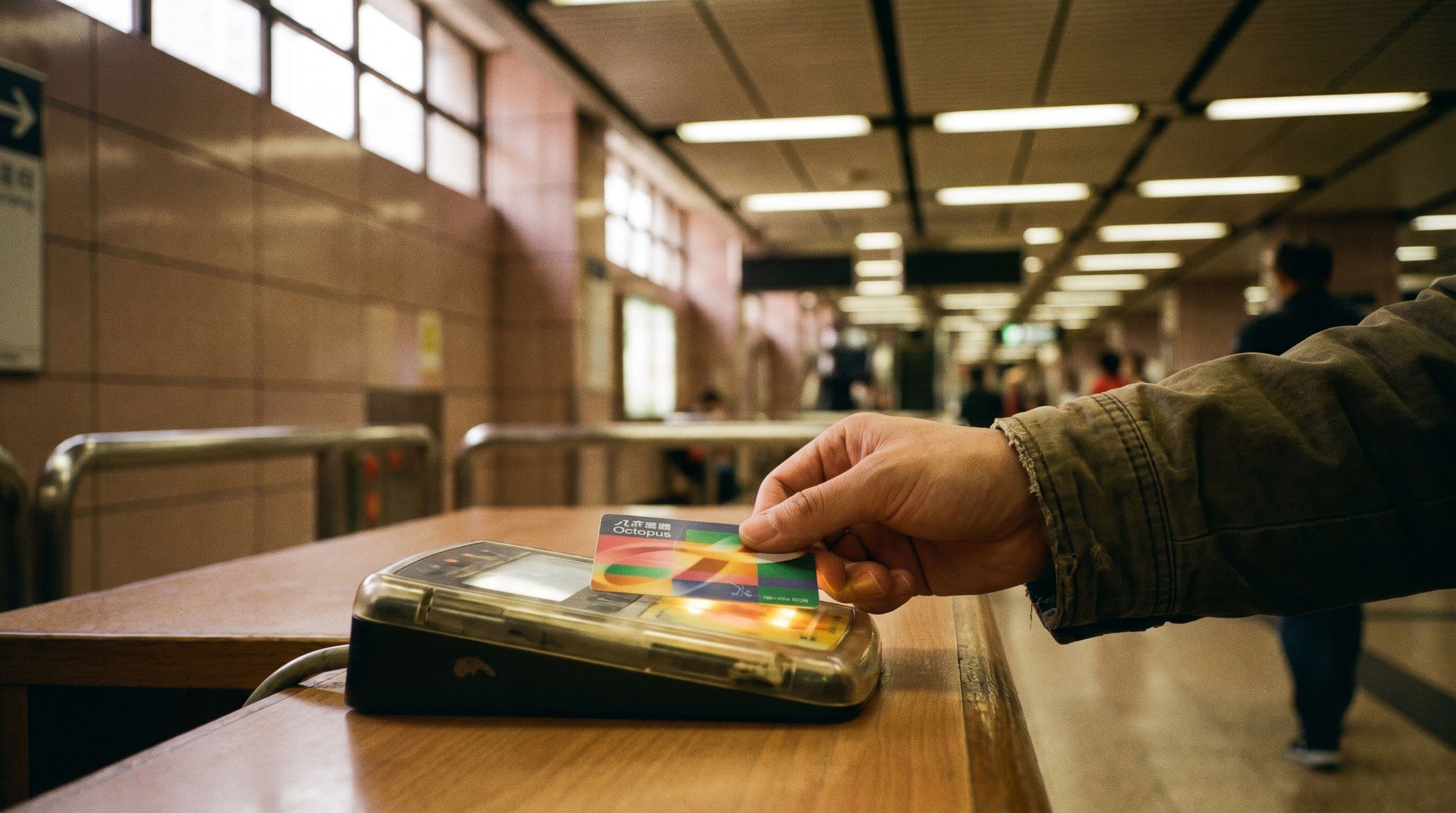
Do Octopus cards expire? Not in the sense of a printed expiry date, no. But leave an On-Loan Adult Octopus untouched for three years and Octopus Cards Limited calls it an "Inactive Octopus," charges a small fee to bring it back to life, and eventually cancels it for good if nobody claims it. The plain Tourist Octopus most visitors buy at the airport is exempt from that fee entirely, but the physical card itself can still age out of its manufacturing batch. Here is exactly which rule applies to which card, and how to check and reactivate yours.
The short version, card by card
An On-Loan Adult Octopus issued on or after 1 October 2017 becomes an Inactive Octopus if it has no add-value or payment transaction for three years. From that point a HK$15 Inactive Octopus Administrative Fee is deducted from the deposit and remaining value, then another HK$15 every year after that if it still isn't used, until the balance runs out. Once the balance hits zero the card is cancelled and cannot be reactivated again.
That fee does not apply to everyone. Octopus explicitly exempts Sold Octopus cards, including the Tourist Octopus, along with Anonymous On-Loan Child and Elder cards, and Personalised On-Loan cards for people under 18, over 60, or with a concession. If the card in your wallet is the one bought at the airport arrivals hall or a 7-Eleven, this fee was never going to touch it.
What "inactive" actually costs an On-Loan Adult cardholder
If you're carrying a regular deposit-based On-Loan Octopus, the everyday kind Hong Kong residents pick up at an MTR counter, three years of silence is what starts the clock. Since 1 October 2020, that HK$15 fee is deducted before the card is reactivated, not after, so don't expect the full deposit back the moment you walk into a service centre. Reactivation itself happens at any Octopus Service Point or MTR Customer Service Centre. Doing it at a Service Point specifically requires either an Automatic Add Value Service link or enough remaining value on the card to cover the fee; if there isn't enough, you'll need a Customer Service Centre instead.
If you don't want the card anymore once it's reactivated, the sensible move is to close it out rather than let it drift back into inactivity: see our guide to getting an Octopus card refund for how that deposit and balance actually come back to you.
If you're a tourist, the news is better
Octopus's general guidance for any card, not just the fee-bearing On-Loan Adult kind, is that going unused for around 1,000 days gets it deactivated, and reactivating it at any MTR station customer service centre is free of charge. Since the Sold Tourist Octopus is on the exemption list for the HK$15 fee, a Tourist Octopus that's been sitting in a drawer since your last trip should reactivate at no cost beyond the walk to the counter. Worth doing before you assume it's dead: an old card can still be holding real stored value.
The other kind of expiry: the physical card itself
Separate from usage-based inactivity, Octopus cards are manufactured in batches, each with what the company calls a Schedule of Invalid Dates. A card can reach the end of its own batch's validity regardless of how recently you used it, which is a different problem from the inactivity rules above and needs a proper replacement rather than a reactivation. You can check whether your specific card number is due for replacement, and whether an Overdue Replacement Administrative Fee applies, through the card replacement checker at octopuscards.com. If you end up needing a new card anyway, our guide to replacing a lost or stolen Octopus card covers what a fresh card actually costs, since the fee structure is the same whether the old one was lost or simply timed out.
How to check if your card is still active
Don't guess. Tap the card on any Octopus Enquiry Machine at an MTR station, or check it through the Octopus App if it's linked to your phone: both show the remaining value and recent transactions instantly, which tells you immediately whether the card still reads. Our guide on how to check your Octopus card balance walks through every method, including the ones that work for an anonymous Tourist Octopus with no linked account. If a machine can't read it at all, that's your sign to head to a Customer Service Centre rather than assume it's simply out of value.
How to reactivate it
For most cards the process is the same: take it to an MTR Customer Service Centre, let staff confirm its status, and pay the HK$15 fee only if it applies to your card type. Once it's live again, you'll want to top up your Octopus card before you try to use it, since reactivation on its own doesn't add any stored value back. If the trip that follows is your last one for a while, weigh reactivating against just cashing it out through the refund process instead. There's no penalty either way beyond that small fee, so it comes down to whether you'll realistically use Hong Kong transit again soon.
Quick answers
How long does an Octopus Card take to expire? There's no printed expiry date. An On-Loan Adult Octopus becomes "inactive" after three years with no transaction, and Octopus's general guidance says any card left unused around 1,000 days gets deactivated. Reactivation is free except for the HK$15 fee that applies specifically to fee-liable On-Loan Adult cards.
How do I know if an Octopus Card is still active? Tap it on any Octopus Enquiry Machine at an MTR station, check it in the Octopus App if it's linked to your phone, or look up the card number on the octopuscards.com replacement checker. Any of the three will tell you its current status.
Can tourists get a refund on Octopus cards? Yes. A Sold Tourist Octopus can be returned for its deposit and remaining value at a Customer Service Centre; see the refund section above for the exact fees and where to do it.
Which Octopus Card is best for tourists? The Sold Tourist Octopus, since it's exempt from the inactivity fee entirely and doesn't tie up a returnable deposit the way an On-Loan card does. It's also the card most airport counters and convenience stores actually sell.