Cheung Chau Island Day Trip: How to Get There & What to Do
Cheung Chau Island is one of the easiest day trips out of Hong Kong: no visa, no booking ahead, just a ferry from Central. Nicknamed "Dumbbell Island" for the two granite headlands joined by a narrow strip of land, it's a 2.45 sq km, car-free fishing village with beaches, temples, a pirate's cave and some of the best street snacks in the territory. Here's how I'd spend a day there: the ferry, the village, the beach and cave, and what to eat along the way.
The one honest caveat: there isn't a single "must-see" sight that justifies rushing over and back on the fast ferry. Cheung Chau rewards slowing down, so give it the whole day if you can rather than squeezing it into a couple of hours.
How to get to Cheung Chau
Ferries leave from Pier 5 at the Central Ferry Piers, a five to ten minute walk from Hong Kong or Central MTR station. Sun Ferry runs two classes: the ordinary (slow) ferry takes about 55 to 60 minutes, and the fast ferry cuts that to roughly 35 to 40 minutes. Monday to Saturday, ordinary class is HK$16.70 adult / HK$8.30 concession, and the fast ferry is HK$32.90 / HK$16.40; fares rise on Sundays and public holidays (fast ferry HK$47.60 / HK$23.80). Both accept Octopus at the turnstile. Sailings run roughly every 20 to 60 minutes depending on the time of day, so check the departure board rather than planning around a fixed schedule. For fares and timings on the other outlying islands too, see our full outlying-islands ferry guide.
What to do on Cheung Chau
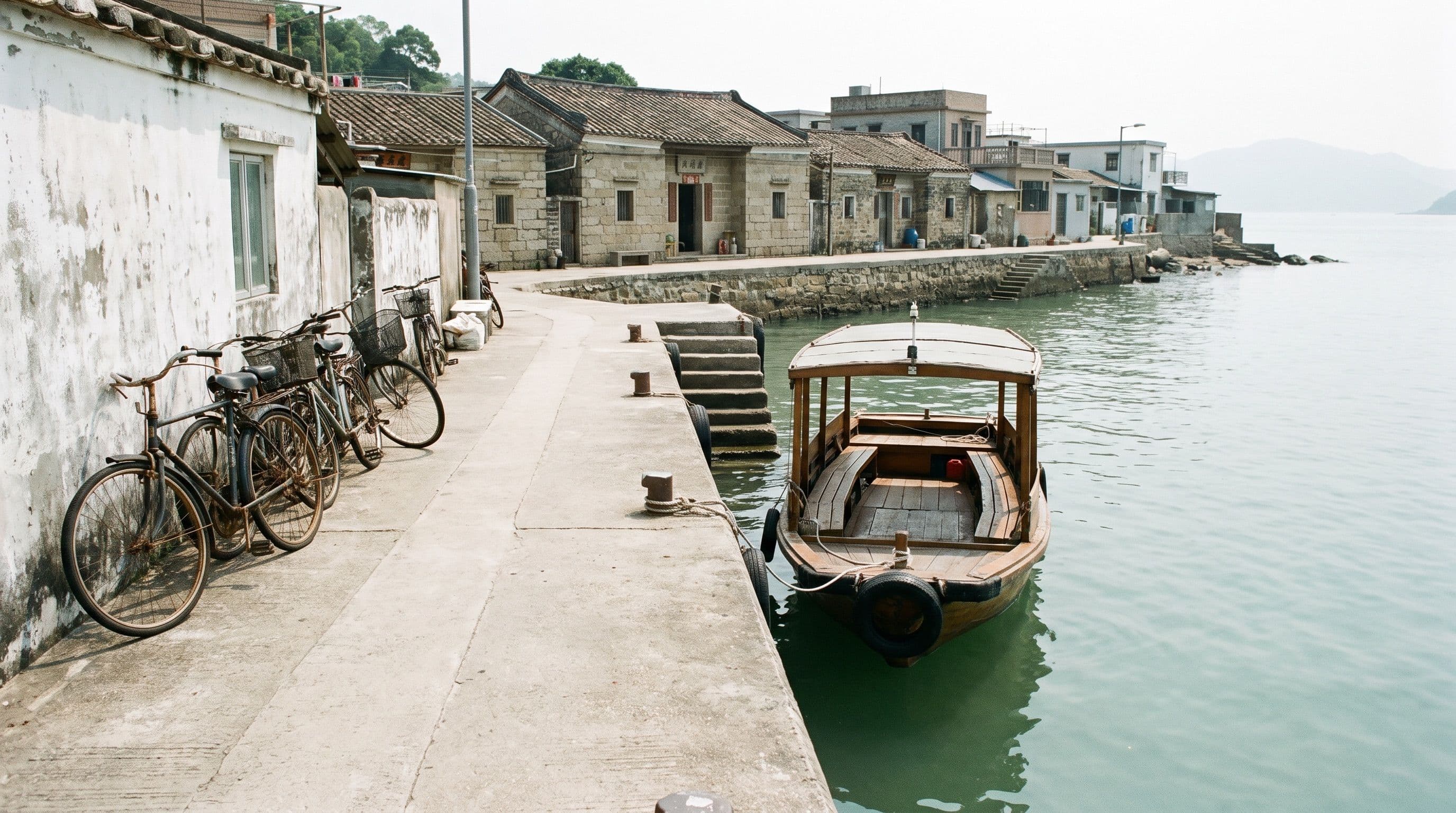
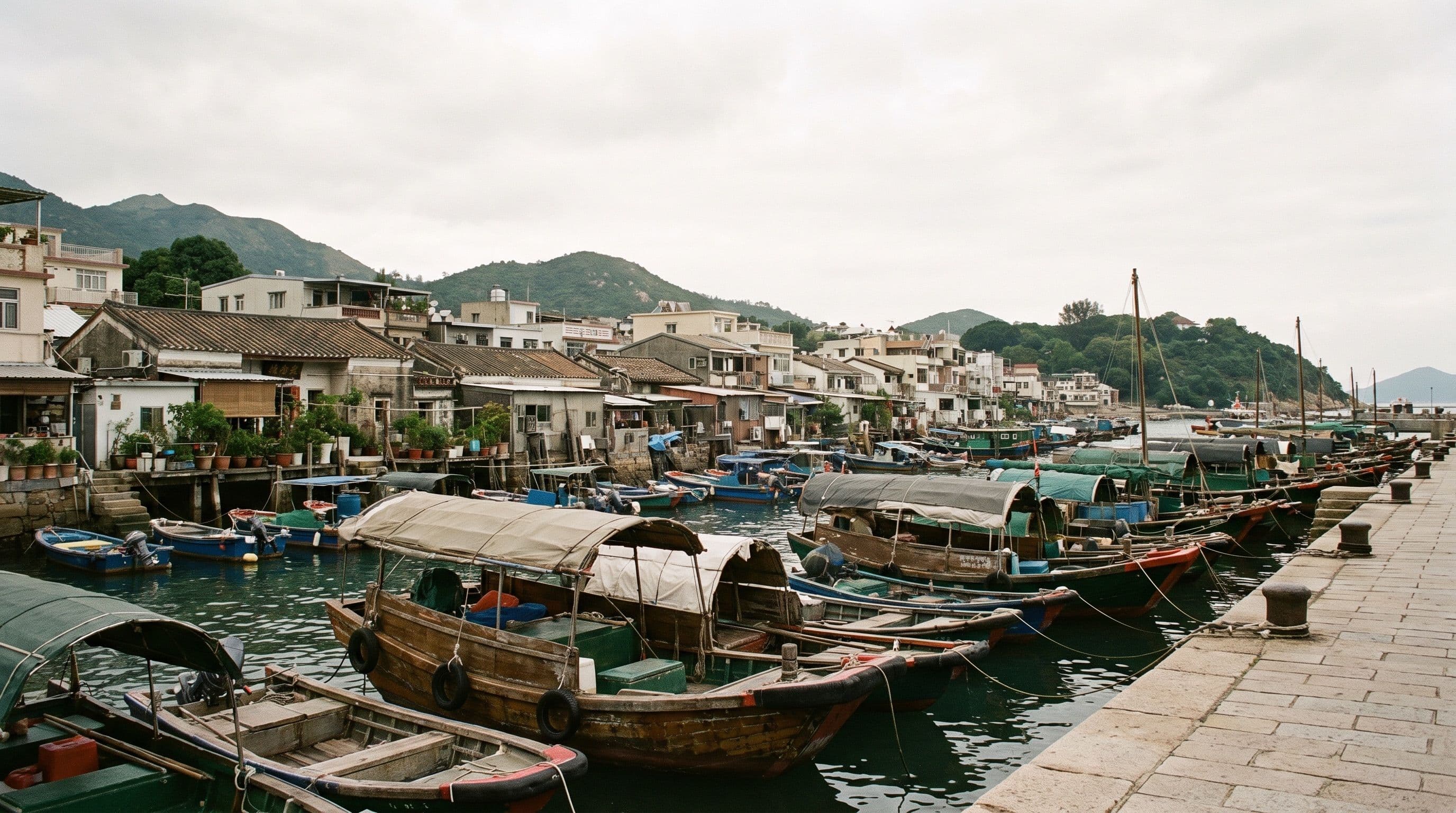
The village itself, right by the ferry pier, is the easiest place to start: narrow lanes packed with seafood restaurants, dried-fish stalls and the harbour front where fishing boats and junks are moored. There are no cars on the island, so residents get around on bicycles or small tricycle carts, and you'll want to walk everywhere too.
Pak Tai Temple, the oldest temple on the island, sits a short walk inland and is dedicated to the God of the Sea. It's also the starting point for the annual Bun Festival (Cheung Chau Jiao), held on the eighth day of the fourth lunar month: three 60-foot towers of buns go up in the temple square, and professional climbers now race up them after a real tower collapsed during the old climbing competition in 1978. If your visit doesn't line up with the festival, the temple and its square are worth seeing anyway.
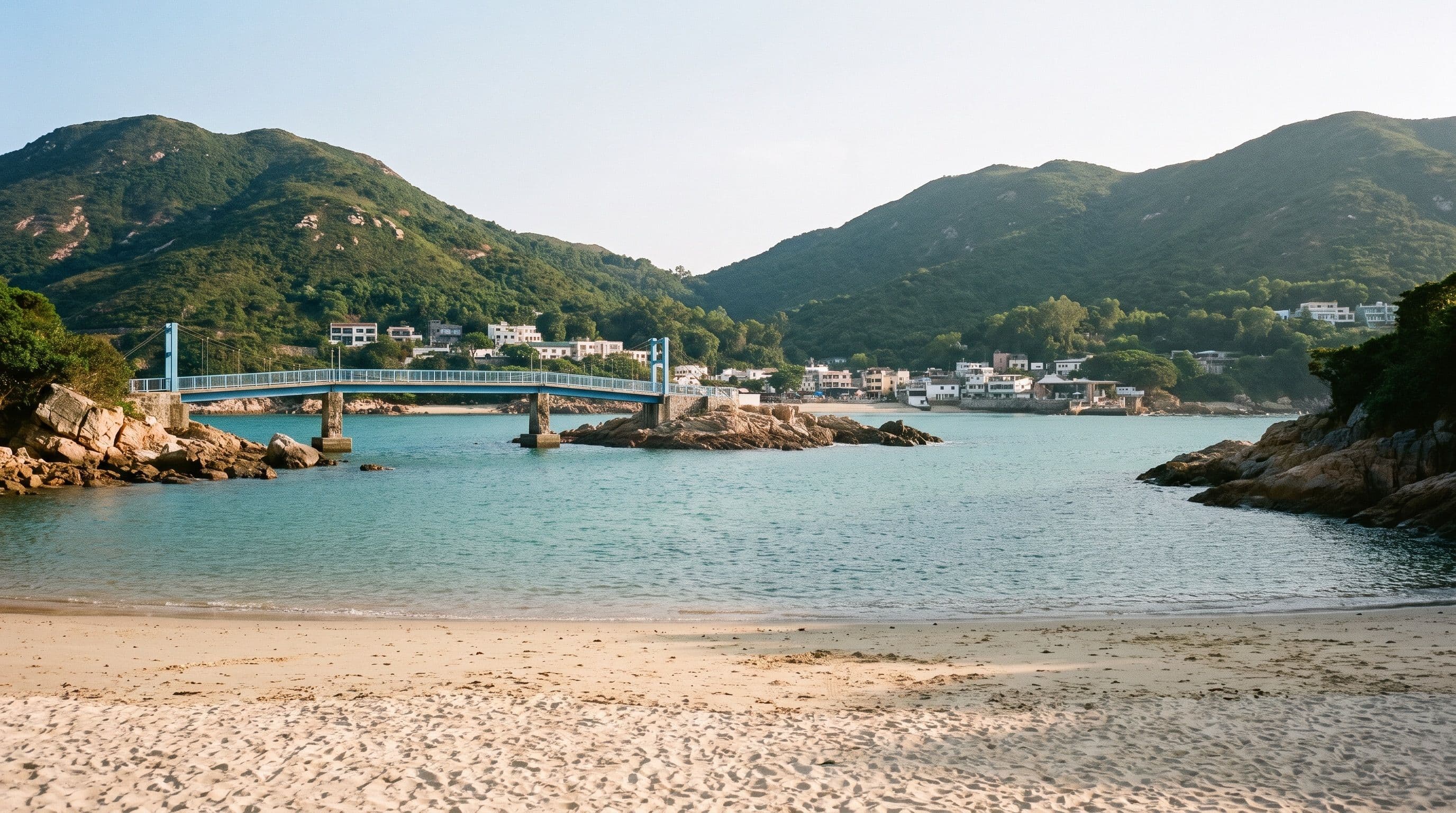
Tung Wan Beach, on the east side of the island, is the main swimming spot, with shark nets and lifeguards on duty; nearby you'll find a set of 3,000-year-old rock carvings, a declared Hong Kong monument. Kwun Yam Wan Beach is quieter and is where Olympic windsurfing gold medallist Lee Lai Shan trained.
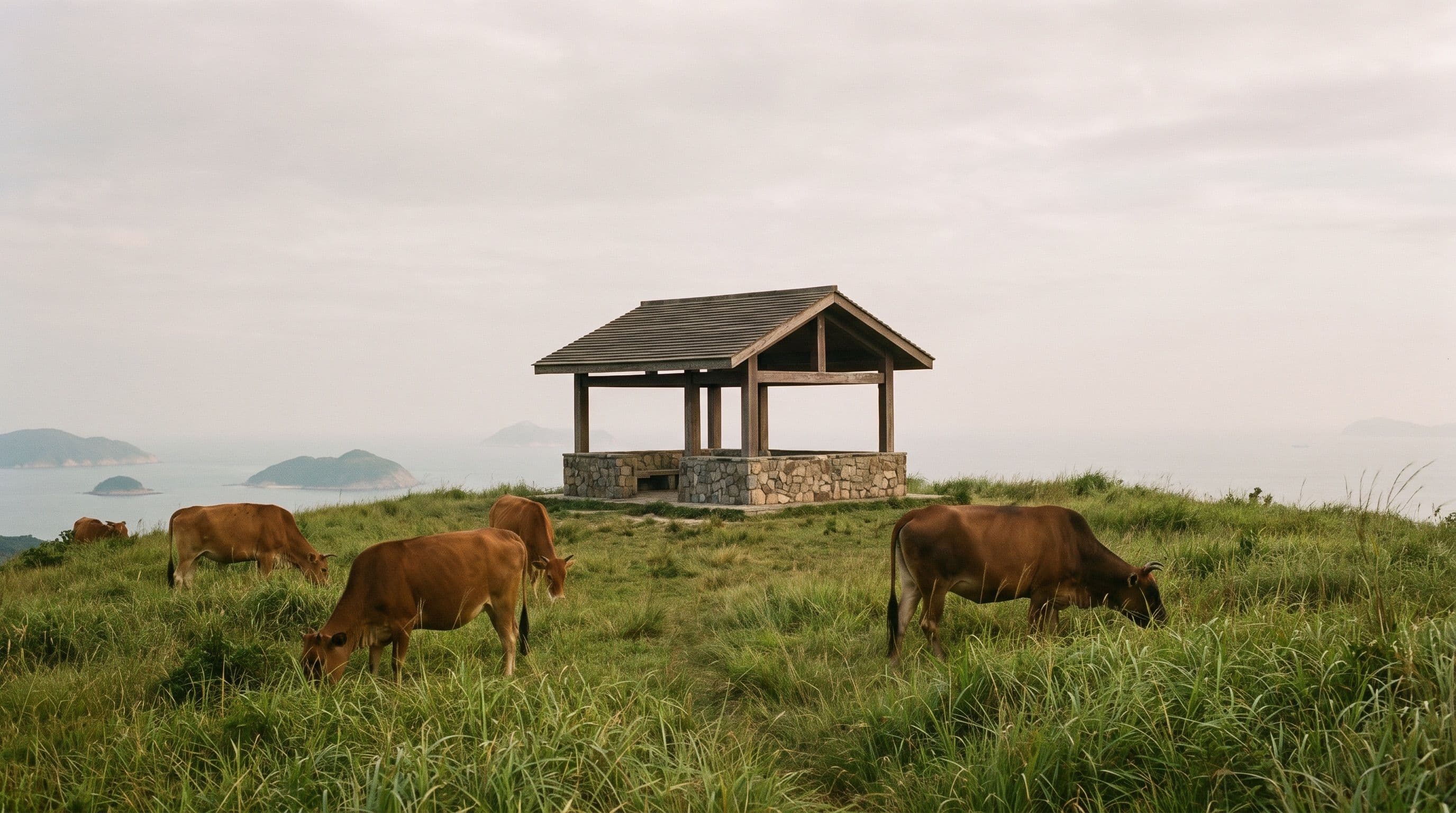
Cheung Po Tsai Cave, at the island's south end, is a natural cave reputed to have hidden the loot of a 19th-century pirate. It's narrow enough that only one person can pass through at a time, and pitch black inside, so bring a phone light or a torch. For a longer walk, the trail out to the North Lookout Pavilion (about 25 minutes from Pak Tai Temple) has panoramic views back over the harbour, and passes a short "Mini Great Wall" section of coastal path along the way.
What to eat
Cheung Chau's signature snack is the "Ping An" (peace) bun, the plain steamed bun that inspired the Bun Festival towers and that you'll still find in village bakeries outside festival season. Street stalls along the harbour front and Tung Wan Road sell fish balls, grilled squid and mango or fruit-based drinks; sit-down seafood restaurants line San Hing Praya Street facing the water, with tanks out front so you can point at what you want cooked. If you want a change from seafood, a few small cafés on the island do coffee and a lighter lunch.
Planning your visit
Cheung Chau works well as a standalone day trip or paired with an early or late-afternoon slot if you're also doing something else in Hong Kong that day. Bring more water than you think you'll need, especially if you're walking out to the cave or the lookout pavilion in summer, and sun protection since shade is limited on the beaches and trails. Weekdays are quieter and cheaper than Sundays and public holidays, both for the ferry and for the village itself. If you're building a longer multi-day trip and want to compare islands, our Lantau Island day trip guide covers the Big Buddha and Tai O side of things, and if a day trip further afield is on the table too, see our Hong Kong to Macau day trip guide. Slotting Cheung Chau into a longer stay? Our 5-day Hong Kong itinerary has a day trip built in.
Quick answers
How do I get to Cheung Chau Island from Hong Kong? Take the Sun Ferry from Central Pier 5: fast ferry in about 35 to 40 minutes, or the cheaper ordinary ferry in 55 to 60 minutes. Both accept Octopus.
Is Cheung Chau worth visiting? Yes, especially if you want a slower, car-free contrast to central Hong Kong: a beach, a hike, a pirate cave and genuinely good seafood, all within an hour's ferry ride.
Can you swim at Cheung Chau Island? Yes. Tung Wan Beach has shark nets and lifeguards and is the main swimming spot; Kwun Yam Wan Beach nearby is quieter.
What is the "Cheung Chau horror story"? It refers to Bela Vista Villa, a since-demolished holiday resort on the island linked to a string of suicides between 1989 and 2002 that earned local media coverage as a "death island" story. It's local urban legend rather than anything that affects visiting the island today, and the site itself is no longer standing.
Planning the rest of your trip? See our guide to How to Get from Hong Kong to Macau: Ferry vs Bridge Bus.