Hong Kong's Cross-Harbour Tunnel Buses: Routes, Fares & Tips
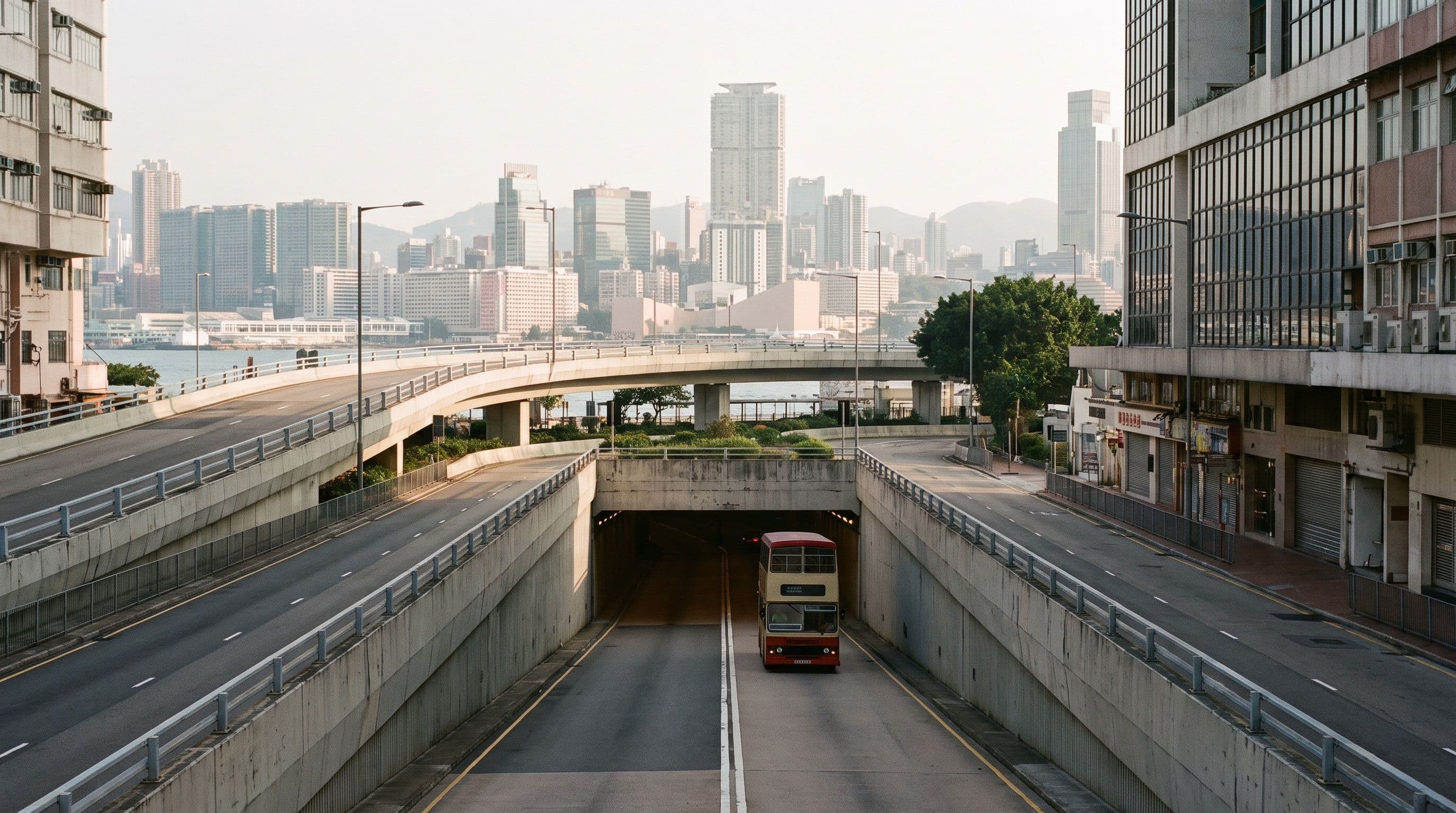
The Cross-Harbour Tunnel is the fastest way under Victoria Harbour if you're not taking the MTR, and it's how most of the buses linking Hong Kong Island and Kowloon actually get there. If the MTR is shut for the night or you'd rather stay above ground and watch the city go by, a cross-harbour tunnel bus in Hong Kong is a genuinely useful, cheap way to make the crossing. Here's which routes to look for, what they cost, and how to pay.
What the Cross-Harbour Tunnel actually is
Opened in 1972, the Cross-Harbour Tunnel runs 1.86 kilometres under the harbour between Hung Hom in Kowloon and Causeway Bay (Kellett Island) on Hong Kong Island, and it was the first road link between the two sides; before it, cars and buses depended on vehicle ferries. It's a dual two-lane tunnel forming part of Route 1, and it's still one of the most congested stretches of road in the city, so budget extra time for a bus crossing at rush hour. The car and taxi toll (paid electronically by drivers, not by bus passengers) was raised to HK$30 for private cars and HK$25 for taxis in July 2023; that toll has nothing to do with what you pay to ride a bus through it.
How to spot a Cross-Harbour Tunnel bus
Hong Kong's franchised bus routes use their route number to tell you which tunnel they use. Every route that runs through the Cross-Harbour Tunnel has a three-digit number starting with "1" (aside from a handful of Western/Eastern-crossing exceptions), and the route number is shown on a red background on the bus and at the stop. Routes through the Eastern Harbour Crossing start with "6" and are also shaded red; Western Harbour Crossing routes start with "9" and are shaded green. If you see a red three-digit "1xx" number, it's going through the Cross-Harbour Tunnel.
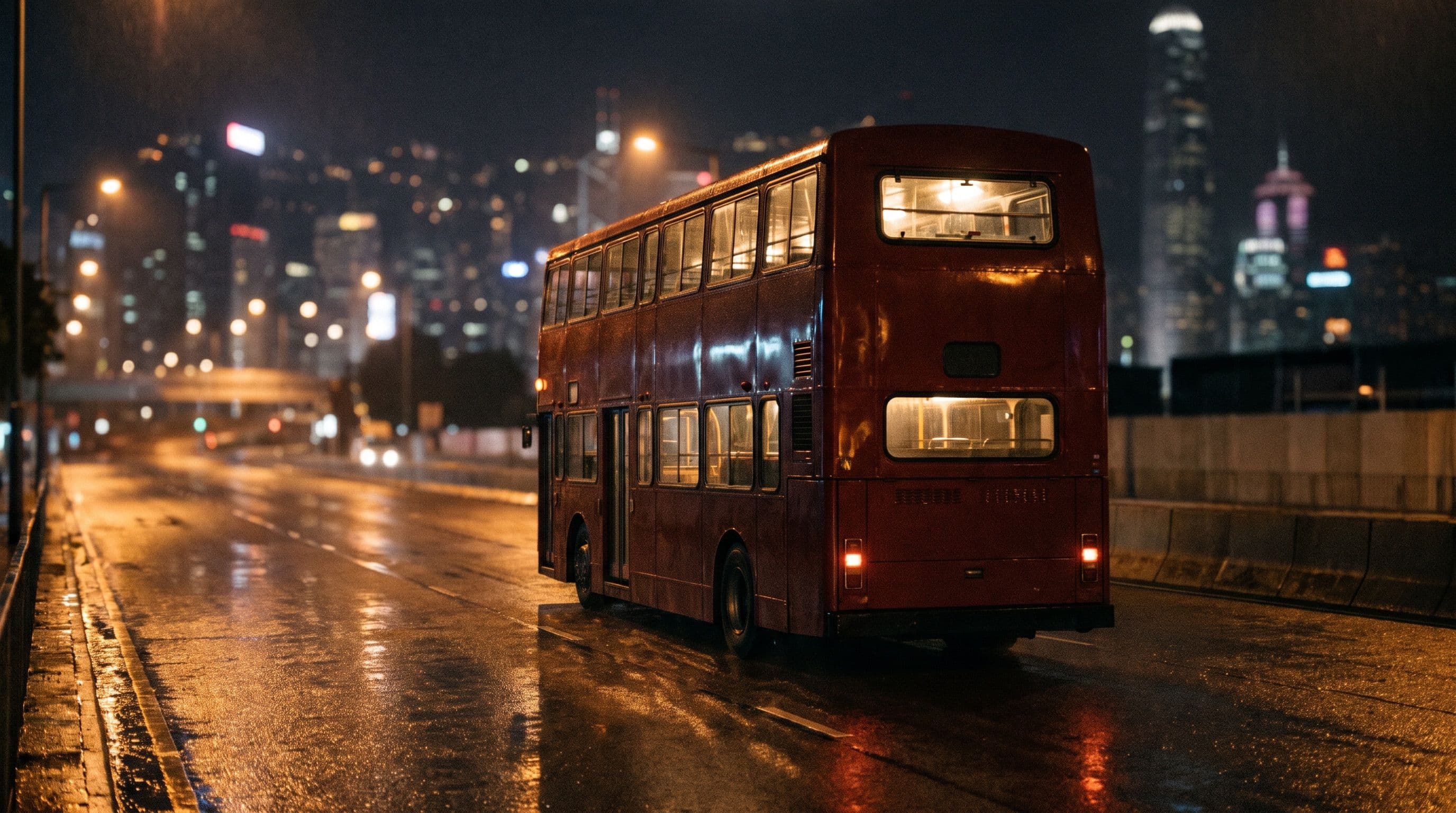
Route 101 (Kennedy Town ↔ Kwun Tong, Yue Man Square) is the original cross-harbour route, running since the tunnel opened in 1972 and still jointly operated by KMB and Citybus today. Other useful "1xx" routes link Central, Wan Chai and Causeway Bay on the island side to Tsim Sha Tsui, Mong Kok and Kwun Tong on the Kowloon side. For a late crossing, night route N121 (Central, Macau Ferry ↔ Ngau Tau Kok) runs through the tunnel after the MTR has closed for the night, jointly run by KMB and Citybus.
What it costs
Cross-harbour bus fares are set by distance and are higher than a same-side trip. As of the Transport Department's most recent published figures, KMB's cross-harbour routes (68 routes across all three tunnels) run from HK$11.4 to HK$43.6, and Citybus's cross-harbour network (77 routes) runs from HK$11.4 to HK$41.8. A typical single cross-harbour hop on a route like 101 sits in the middle of that range rather than at either extreme; expect to pay more the further the route runs once it's back above ground. Fares can change, so treat these as the current published range rather than a fixed number for every route.
How to pay
Fares are paid on boarding and are based on the distance you're travelling, exactly like any other Hong Kong franchised bus. Octopus is accepted on every cross-harbour route, tap on as you board, and cash works too, but you need exact change since drivers don't carry a float. If you're not sure of the exact fare for your stop, the amount is posted on a fare board near the driver or shown on the Octopus reader itself.
Cross-Harbour Tunnel bus vs the alternatives
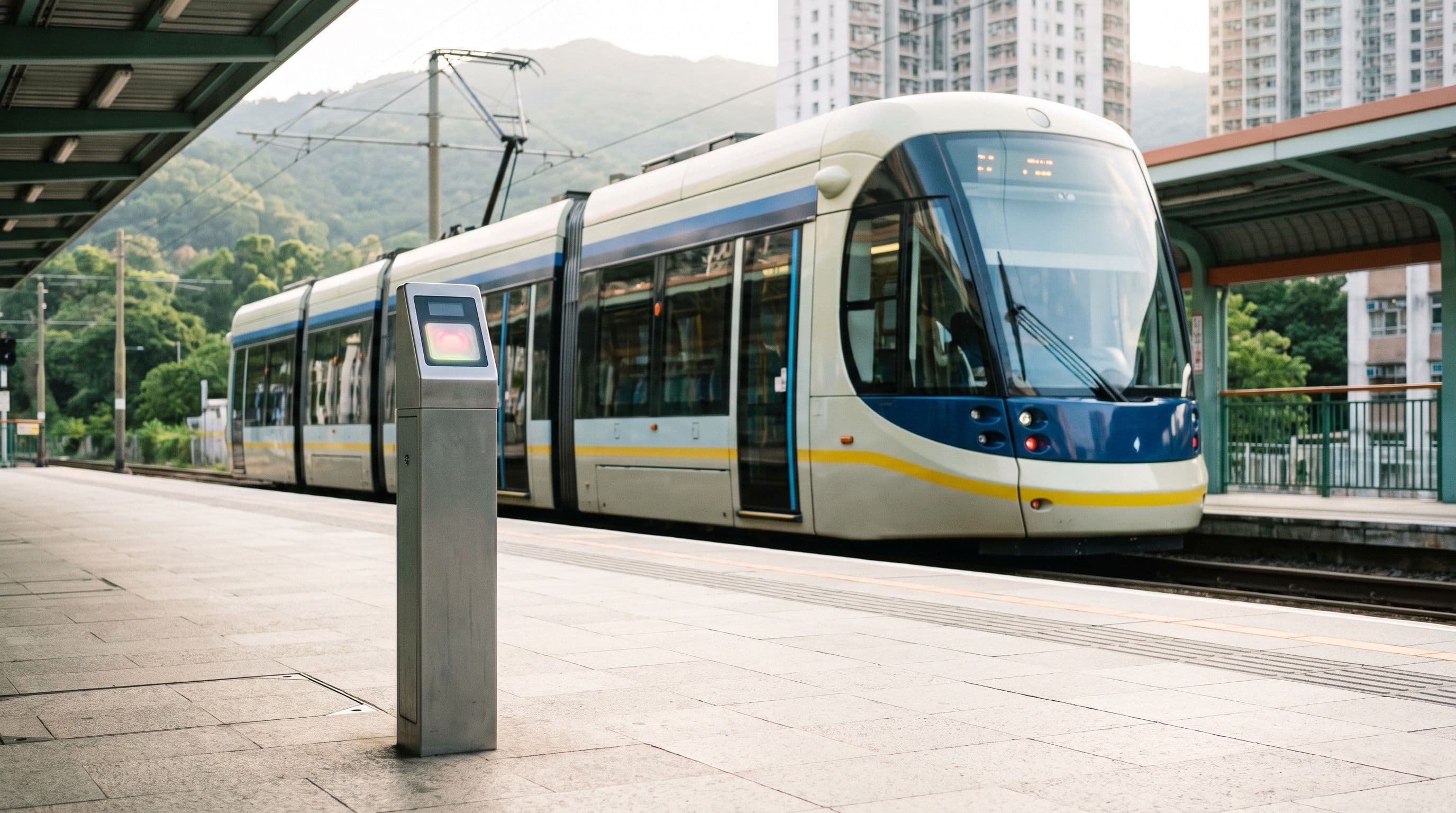
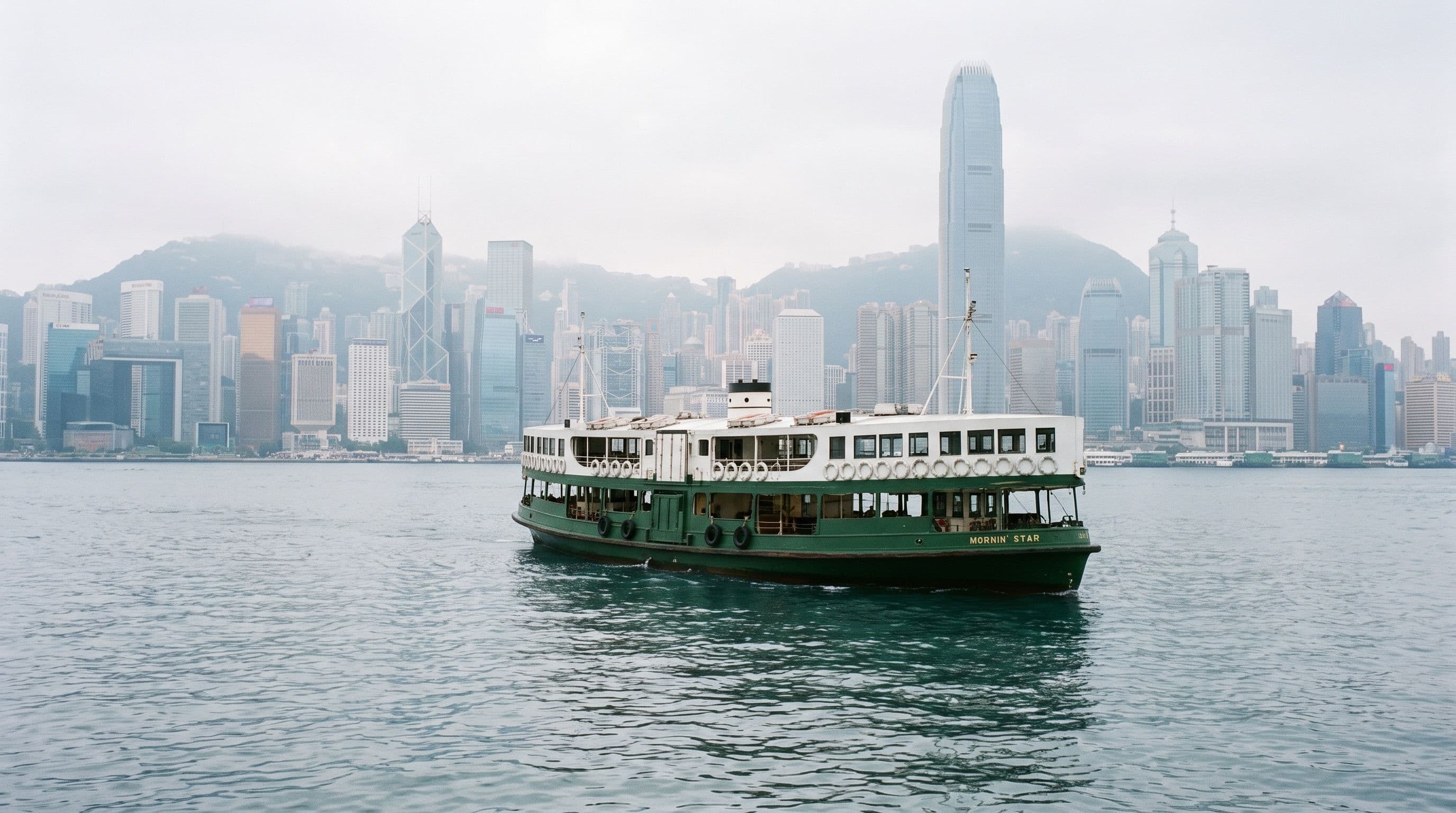
The MTR is faster for most cross-harbour trips during operating hours, but a tunnel bus is the only franchised option once the trains stop running for the night. It's also a reasonable choice if you're already at a bus stop on one side and don't want to walk to a station, or if you're travelling with luggage and want to stay on one vehicle instead of navigating stairs and platforms. If you'd rather cross on the water, the Star Ferry is the classic scenic option for the Tsim Sha Tsui to Central and Tsim Sha Tsui to Wan Chai crossings, and it's usually cheaper than a bus for that specific route. None of this applies to the Hong Kong tram, since it only runs along the north shore of Hong Kong Island and doesn't cross the harbour at all; it's a different tool for a different job.
Quick answers
What is the Cross-Harbour Tunnel in Hong Kong? A 1.86-kilometre road tunnel opened in 1972, linking Hung Hom in Kowloon to Causeway Bay on Hong Kong Island. It's part of Route 1, and dozens of bus routes use it to cross the harbour.
How much is the Cross-Harbour Tunnel fee? That depends who's asking. Drivers pay an electronic vehicle toll (HK$30 for a private car, HK$25 for a taxi, as of July 2023). Bus passengers pay a separate bus fare instead, not the vehicle toll; KMB cross-harbour routes run HK$11.4 to HK$43.6 and Citybus cross-harbour routes run HK$11.4 to HK$41.8, per the Transport Department's published fare ranges.
How do you pay for the bus in Hong Kong? Tap your Octopus card on boarding, or pay cash with exact change; drivers don't give change.
Is there a free shuttle bus from Hong Kong to Macau? No, that's a different crossing entirely. Cross-Harbour Tunnel buses run within Hong Kong, between Hong Kong Island and Kowloon; getting to Macau is a separate ferry or bridge-bus trip.
If you're coming straight from the airport rather than crossing the harbour locally, check whether the Airport Express is worth it for that first leg before you're navigating tunnel buses at all. And if you'd rather skip working out bus routes altogether, a taxi will take you through the same tunnel door to door.
Planning the rest of your trip? See our guide to Ferry to Hong Kong's Outlying Islands: Routes, Fares & Tips.