Po Toi Island Day Trip: The Weekend-Only Ferry & the Rock Formations
A Po Toi Island day trip is the one for anyone who's already done Cheung Chau and Lamma and wants Hong Kong's southernmost island without the crowds. Po Toi sits alone in open water south of Hong Kong Island, and the ferry schedule is the whole reason it stays that quiet: a handful of sailings a week, not a boat every hour. What's on the ground is weathered granite rock formations, a centuries-old Tin Hau temple, and a food situation that's changed recently, so it's worth knowing before you go.
How to get to Po Toi Island
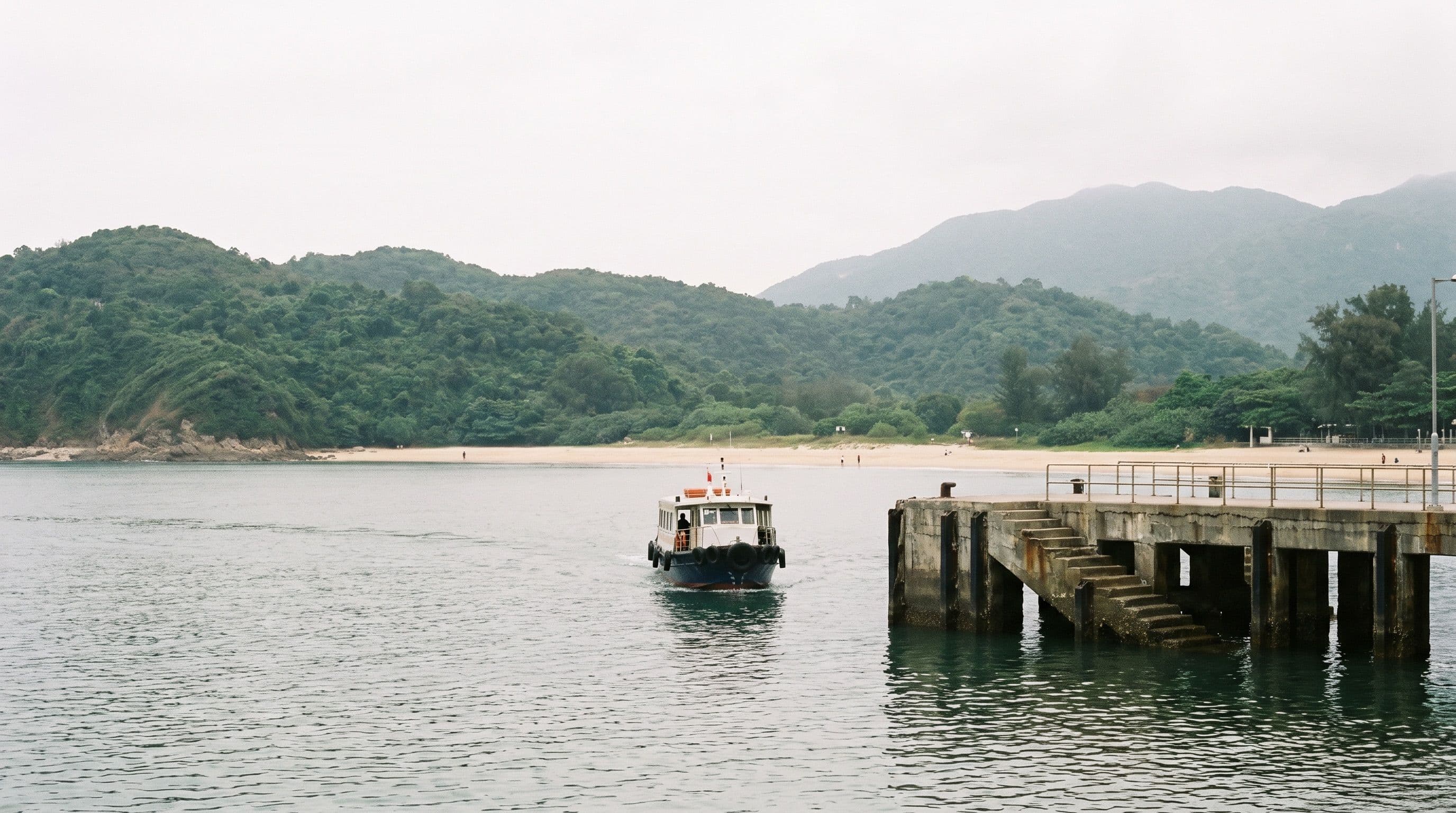
The kaito ferry to Po Toi doesn't run daily, and that catches people out more than anything else on this island. From Aberdeen, sailings run on Tuesdays and Thursdays (roughly one round trip a day) plus Saturdays, Sundays and public holidays, when the schedule gets busier. From Stanley, the ferry runs only on Saturdays, Sundays and public holidays. The Stanley crossing is the shorter of the two, at around 30 minutes; from Aberdeen it's closer to 45 minutes to an hour. Multiple independent trip reports put the weekend/holiday fare at roughly HK$90 for a cash day return, but pricing isn't published in one consistent place and kaito operators here deal in cash only, so confirm the exact fare at the pier ticket window before you board.
Because sailings are infrequent, write down your return time before you start exploring. There's no taxi rank and no second ferry company to bail you out if you miss the last boat back, the same trade-off as Hong Kong's other hard-to-reach islands like Tap Mun. If you're coming from the Stanley side, our Stanley Market guide covers the market and waterfront at the same pier, worth pairing with an early sailing.
The rock formations and what else there is to see
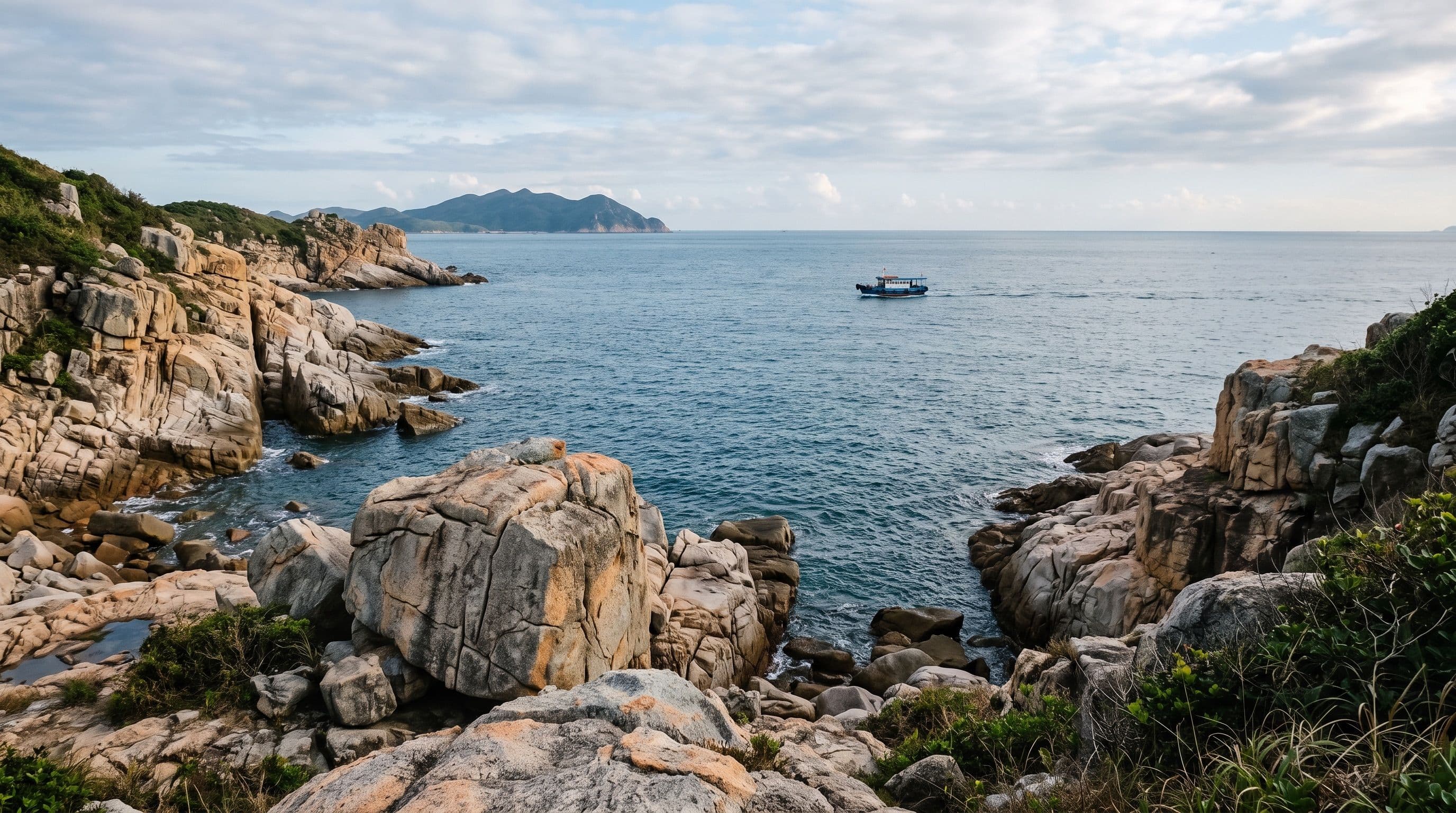
Po Toi is almost entirely weathered granite, and the island's small hiking loop is built around it. The best-known formation is Palm Cliff, a rock face locals say resembles a hand pressed flat against the cliffside; nearby, Tortoise Rock is shaped closely enough that it's become the island's other photographed landmark. There are also prehistoric rock carvings near the south of the island, though little is definitively known about who made them or why. A working lighthouse sits at the island's southern tip.
Inland, Tin Hau Temple is the island's spiritual anchor, and near it are the ruins of the old Mo family mansion, long abandoned and the subject of a fair amount of local ghost-story lore. The main hiking route connecting these points is mostly paved path rather than rough trail, so it's manageable in ordinary shoes, and most of what's worth seeing is within a few hours' walk of the pier.
Food on Po Toi
For years, the island's answer to lunch was Ming Kee Seafood Restaurant, a decades-old spot by the beach known for fresh catch and, in particular, a seaweed soup or seaweed noodle dish that's treated as the island's culinary trademark. Multiple recent reports from visitors describe Ming Kee closing permanently around June 2026, after the owner had spoken publicly about declining business in the years before. Some directory listings still show it as open, which is exactly the kind of stale-listing gap this island is prone to, so treat "Ming Kee is open" as unconfirmed rather than assumed, and don't plan your whole day around eating there. Beyond Ming Kee, visitors have historically described "a couple of very simple food stalls" on the island, not full restaurants, so the safer plan is to bring water and snacks with you, the same advice that applies to Tap Mun and other outlying islands with no reliable food chain.
Is Po Toi Island worth visiting?
Yes, if what you want is genuinely quiet, and you're willing to plan around a sparse ferry. Po Toi doesn't have Cheung Chau's bakery queues or beach crowds, and it doesn't have a food scene you can rely on. What it has is granite coastline, one temple, one set of ruins, and a walk you can do end to end in half a day. Budget a full morning to early afternoon: sail over, do the rock-formation loop past Tin Hau Temple, and time your return sailing with real margin, since there's no later boat to fall back on. For how it stacks up against Hong Kong's other outlying islands, see our guide to the outlying-island ferries before you commit to the least frequent one on the list.
Quick answers
Is Po Toi Island worth visiting? Yes, for genuine quiet and granite rock formations you won't find on Hong Kong's busier islands, but only if you're comfortable planning your whole day around a sparse ferry schedule.
How do you get to Po Toi Island? By kaito ferry from Aberdeen (Tuesdays, Thursdays, and Saturdays/Sundays/public holidays) or Stanley (Saturdays, Sundays and public holidays only). Stanley is the shorter crossing at around 30 minutes; Aberdeen takes closer to 45 minutes to an hour.
How much does it cost to go to Po Toi Island? Reports put the weekend cash fare at roughly HK$90 for a day return, but it isn't published in one place and the kaito is cash only, so confirm at the pier.
How do I get to Po Toi Island by ferry? Buy your ticket in cash at the Aberdeen or Stanley pier ticket window before boarding; there's no online booking or Octopus payment confirmed for this route.