Hong Kong Pink Dolphin Tours: Worth It, and How to Do It Right
Is a Hong Kong pink dolphin tour worth it? Yes, if you book the right operator and go in with wildlife expectations rather than theme-park ones. Hong Kong's pink dolphins are real, they live in the waters west of Lantau all year round, and a good tour finds them on roughly 97 out of 100 trips. But there is a catch worth knowing before you pay: the government's own 2024 survey estimated just 38 dolphins left in Hong Kong's monitored waters, and some of the cheaper boats out there make the problem worse. Here is how the tours actually work, what they cost, and how to see the dolphins without harassing them.
What you are actually going to see
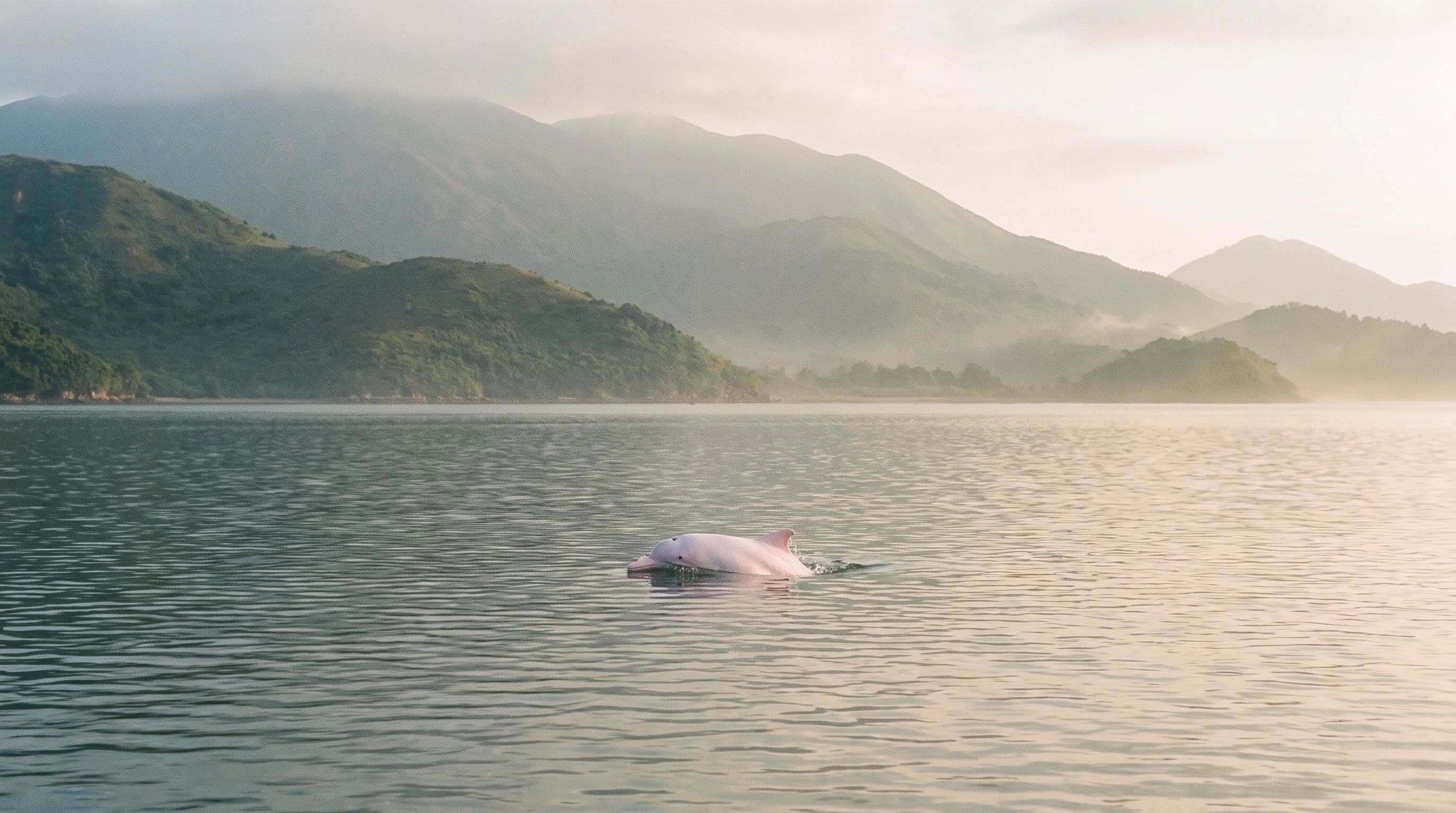
The "pink dolphin" is the Chinese white dolphin, part of the Indo-Pacific humpback dolphin family. The adults really are pink, and the best explanation anyone has is that they are blushing: they flush blood to the skin to dump excess heat, and the flush shows through their pale skin.
Do not picture a big pod riding the bow wave. In Hong Kong these dolphins mostly travel in small groups, surfacing for a second or two at a time; the government's latest monitoring measured an average group of about three animals, and lone dolphins are common. You will typically watch them from a respectful distance in the estuary waters west and south of Lantau, where the surveys now find nearly all of them. It is quietly magical rather than spectacular, and that is the honest pitch.
The tour that does it properly
Hong Kong Dolphinwatch has been running dolphin trips since 1995, longer than anyone else, and it is the operator I would point you to. A scheduled half-day trip costs HK$580 per adult and HK$380 per child under 12, which covers the coach transfer, insurance, and tea and biscuits on their own double-decker boat (with a toilet, a real consideration for four hours out).
The logistics: trips run on a few scheduled mornings a week, mainly Sundays, with extra dates announced on their site and Facebook, and you book ahead by email. You either meet the coach at 8:50am on Middle Road in Tsim Sha Tsui, outside The Kowloon Hotel behind the Peninsula, or board the boat directly at Tung Chung New Development Pier at 9:25am. You spend about three hours at sea and get back to Tsim Sha Tsui between 1pm and 2pm. If you are staying on Hong Kong Island, the Star Ferry to Tsim Sha Tsui drops you a short walk from the pickup.
Their long-run sighting rate is about 97%, and if your trip is one of the unlucky ones, you can join another trip free. Dolphins are resident here, so there is no best season; the operator reports sightings in every season and all kinds of weather. Summer through December is their busy period, so book earlier then.
The cheap-boat problem (read this before you book anything at Tai O)
The stilt-house village of Tai O sells quick speedboat rides, roughly 15 to 20 minutes through the canals and out to open water where the dolphins sometimes appear, and this is where the ethics get uncomfortable. Dolphinwatch itself has publicly criticised the waters around Tai O for cheap, fast boats that speed into the dolphins' habitat with no regard for the government's Code of Conduct for Dolphin Watching. That code exists for a reason: boats are supposed to stay under 10 knots near dolphins, slow to no-wake speed if dolphins surface within 100 metres, never chase, corner or cut across them, and keep to one watching vessel within 500 metres of a group.
A five-minute spin on a small outboard is not built around any of that. If you are visiting Tai O anyway, the village itself is well worth your time; just skip the dolphin boats there and do your dolphin watching on a proper trip instead.
How many pink dolphins are left?
This is the question that should shape how you visit. The AFCD's latest marine mammal monitoring report put the 2024 estimate at 38 dolphins across Hong Kong's four survey areas, down from 188 in 2003. The wider Pearl River Estuary population is healthier, at over 2,000 animals, but the Hong Kong share has fallen steeply over two decades. The species is listed as Vulnerable on the IUCN Red List and sits in CITES Appendix I, the highest protection tier.
The pressures are exactly what you would guess from looking at the map: land reclamation and construction, heavy ferry and shipping traffic through their habitat, pollution, and overfishing of their food supply. The government has responded by designating three new marine parks in the dolphins' core habitat, at Southwest Lantau in 2020, South Lantau in 2022 and North Lantau in 2024. A responsible tour adds one slow, careful boat to that picture and, in exchange, sends visitors home caring whether these animals survive. That trade is defensible. A chasing speedboat is not.
So, worth it?
Worth it, with the right expectations. At HK$580 it costs about the same as a mid-tier theme park ticket, and what you get is a slow, narrated half-day at sea with a very good chance of seeing a genuinely rare wild animal. Families tend to love it; if you are in Hong Kong with kids, it is one of the few big-ticket activities where the wildlife is real rather than performing.
Two honest caveats. First, photography is hard: dolphins surface briefly and unpredictably, and even a 300mm zoom can feel short, so decide upfront to mostly watch rather than shoot. Second, sightings can be distant on any given day. The 97% figure means you will very likely see dolphins, not that they will pose beside the boat. If your budget only stretches to one Lantau outing and you want guaranteed spectacle, a Lantau day trip to the Big Buddha is the safer spend. If the idea of wild pink dolphins already has you hooked, book the real tour and go.
Quick answers
Are dolphin tours worth it in Hong Kong? Yes, if you go with a responsible operator. Expect around HK$580 for a half-day trip, a roughly 97% chance of sightings, and small groups of dolphins seen at a distance rather than close-up encounters.
How many pink dolphins are left in Hong Kong? The AFCD's 2024 estimate was 38 dolphins in Hong Kong's monitored waters, down from 188 in 2003. The wider Pearl River Estuary holds over 2,000.
What is the best time to go on a dolphin tour? There isn't one. The dolphins are resident year-round and the main operator reports sightings in every season. Book ahead from July to December, the busiest months.
Can you see pink dolphins from Tai O? Sometimes, and the village sells quick speedboat rides, but Hong Kong's longest-running dolphin tour operator has criticised those boats for ignoring the dolphin-watching code of conduct. See Tai O for the village; watch dolphins from a slower, code-compliant tour.
Planning the rest of your trip? See our guide to Star Ferry Harbour Tour: Is It Worth It Over the Ordinary Ferry?.