Uber vs Taxi in Hong Kong: Which Is Cheaper and Easier?
Hong Kong is one of the few major cities where the Uber vs taxi question doesn't have an obvious winner. Between a huge, cheap, well-regulated taxi fleet and an app that's still only half-legal here, the right answer depends on the trip. My rule of thumb: default to the street taxi and only reach for the app when the shift-change window, the rain, or a long traffic-heavy route makes the upfront price worth it. Here's how to actually decide, not just which app to open.
The short answer
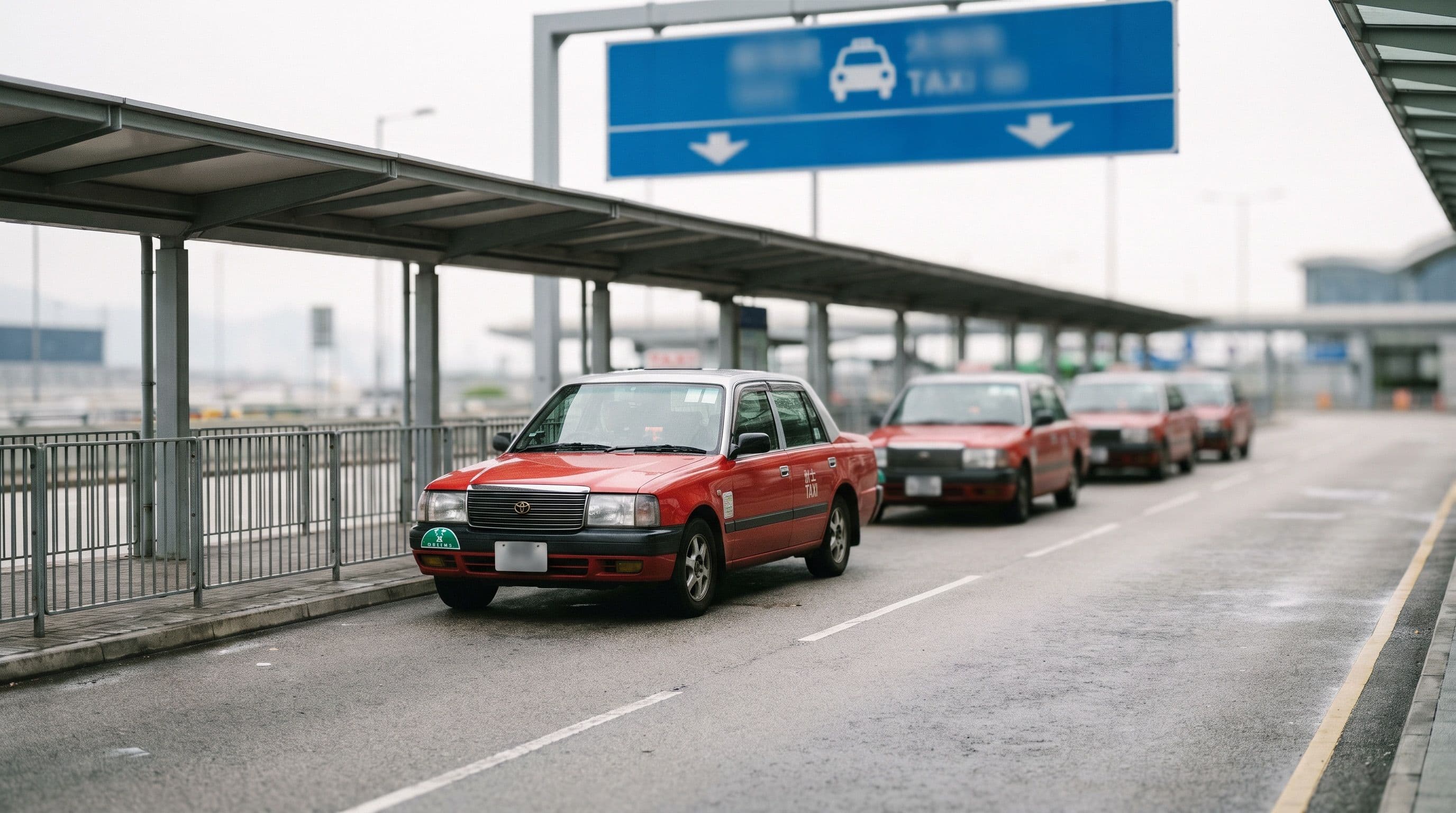
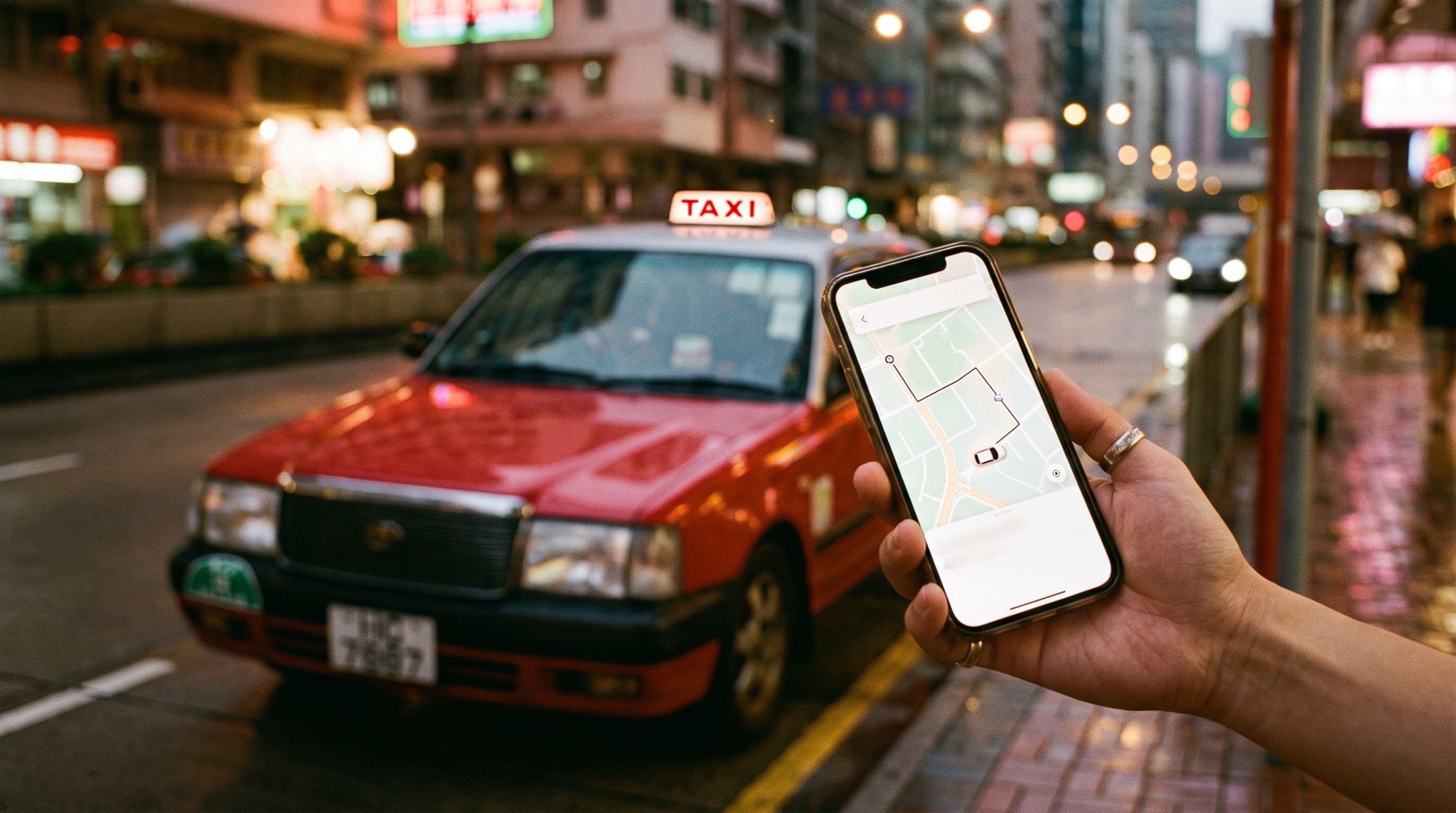
For a quick hop across town, hail a red taxi off the street or from a rank; it's usually the cheapest option and you'll rarely wait long outside rush hour. For a longer ride, a trip during heavy traffic, or any time you can't explain your destination in Cantonese, open the Uber app and book "Uber Taxi": it puts you in the exact same licensed taxi, on the same meter, but with the pickup and drop-off already typed in and an upfront estimate before you commit.
Two very different things are both called "Uber" here
The Uber app in Hong Kong actually offers two products, and mixing them up is the main source of confusion:
- Uber Taxi books a real, licensed street taxi through the app. Same driver, same red-and-white cab, same taximeter you'd get by hailing one on the curb. It has always been fully legal.
- UberX is a private-hire car, a driver in their own vehicle rather than a licensed taxi. This is the option that's been in a legal grey zone since Uber launched in Hong Kong in 2014: the city's hire-car permit system caps out at just 1,500 permits, far fewer than the number of UberX drivers on the road, so most of them are operating without one.
That's changing, just not yet. Hong Kong's legislature passed a bill in October 2025 to license and regulate ride-hailing platforms, but officials have said the first licensed platforms aren't expected to start operating until late 2026 at the earliest. So as of today, booking UberX still puts you in that unlicensed grey area, while Uber Taxi has been a normal, legal way to get a cab the whole time. If the legal side matters to you more than the fare, Uber Taxi is the safer tap for now. For the full breakdown of taxi colours, fares and how to flag one down yourself, see our Hong Kong taxi guide.
Which is actually cheaper?
It depends on the trip length and the traffic. A red taxi meter starts at roughly HK$29 for the first 2km, then adds about HK$2.10 for every 200 metres or minute of waiting, dropping to a lower per-jump rate on longer rides. On a short, uncongested hop, that street-hailed meter is almost always the cheapest way to travel: there's no booking fee, and you're not paying for anyone's app margin.
Where Uber can come out ahead is a longer trip or one that's likely to hit traffic. Uber Taxi and UberX both show an upfront fare before you book, so if you get stuck at a standstill near the Cross-Harbour Tunnel, you're not watching a meter climb by the minute the way you would in a plain street taxi. For a similar reason, comparing Uber against the fixed-price alternatives is worth doing before a longer trip: if you're heading to or from the airport, our guide to every airport-to-city option compared lines up the Airport Express, buses and taxis on price, and our look at whether the Airport Express is worth it goes deeper on that one specific fixed-price alternative.
Availability: when each one actually shows up
Street taxis are everywhere in Hong Kong, until they suddenly aren't. Between roughly 4pm and 5pm, a large share of drivers head back to base to swap shifts, and hailing an empty cab in that window gets genuinely difficult, especially in the rain. That's exactly when booking through an app pays off, since you're in a queue rather than standing on a curb competing with everyone else for the same handful of free cabs.
Outside that window, and outside heavy rain, a red taxi is rarely more than a few minutes away anywhere on Hong Kong Island, in Kowloon, or in most of the New Territories. Green taxis only cover the outer New Territories and blue taxis only serve Lantau, so if you're travelling between zones, check which colour you actually need before you start looking.
Payment and the language barrier
This is where the app genuinely helps first-time visitors. A street taxi still runs mostly on cash and Octopus, though a Transport Department rule now requires every taxi to accept at least two forms of e-payment (one QR-code based, one non-QR) on top of cash, so tapping to pay is more reliable than it used to be. Uber, by contrast, is charged straight to the card on file, no cash or Octopus top-up required.
The bigger practical win is the destination itself. A meter taxi driver may not read English street names, and typing or showing an address in the Uber app sidesteps that entirely, no need to have your hotel name written out in Chinese characters as a backup (though it's still worth carrying one for any taxi you flag down yourself).
What Hong Kong doesn't have
If you're used to Grab, Bolt or Lyft from other trips, none of them operate in Hong Kong. The ride-hailing market here is just Uber, a couple of local dispatch apps aimed mainly at residents, and the traditional metered taxi fleet, so Uber is the only mainstream app-based option a visitor needs to know.
Quick answers
Can foreigners use Uber in Hong Kong? Yes. The app works the same way it does elsewhere, you can pay with an international card, and Uber Taxi in particular is a straightforward, fully legal way to book a licensed cab without any Cantonese.
Are Ubers expensive in Hong Kong? Not dramatically. Uber Taxi runs on the same regulated taxi meter as a street hail, so it's rarely much pricier, and UberX's upfront pricing can beat the meter on longer, traffic-heavy trips. Street-hailing still wins on short, easy trips since there's no booking fee.
What is the best way to get around Hong Kong? For most trips, the MTR is faster and cheaper than either Uber or a taxi. Save rideshares and taxis for late nights, heavy luggage, or routes the MTR doesn't cover well; for short hops along the northern strip of Hong Kong Island, the flat-fare Hong Kong tram is slower but far cheaper than either.
What does Hong Kong use instead of Uber? Mostly the traditional metered taxi, hailed on the street or booked through Uber Taxi itself. Grab, Bolt and Lyft aren't available here.
If price is the only question, default to a street-hailed red taxi and save the app for the shift-change window, the rain, or a trip long enough that upfront pricing starts to matter.
Planning the rest of your trip? See our guide to Hong Kong's Light Rail: Routes, Fares & How to Ride It.